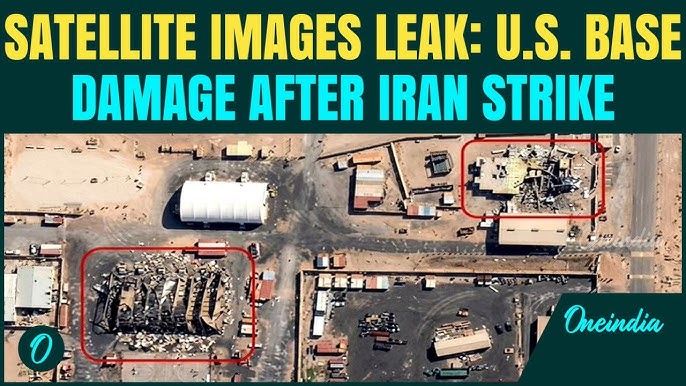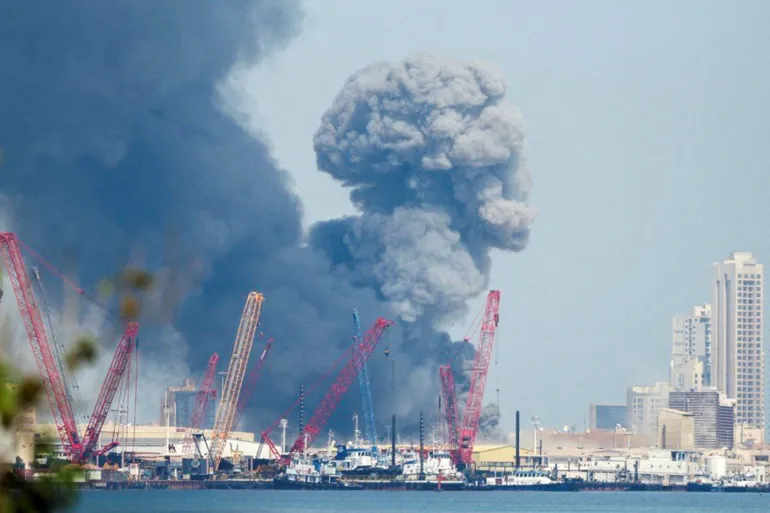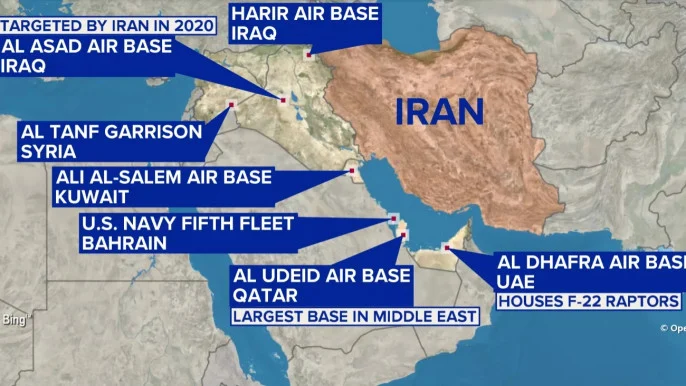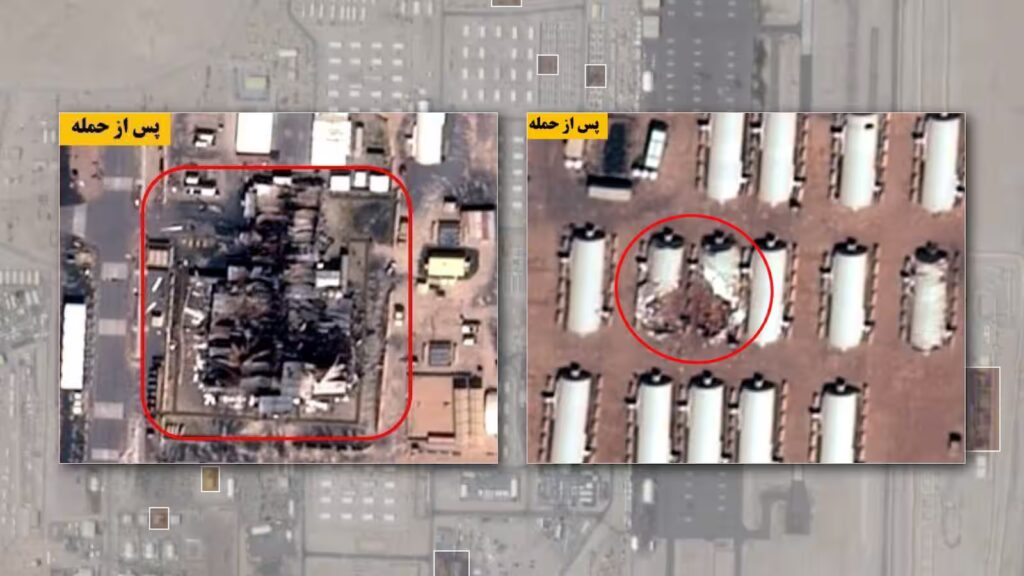

For 35 years, we thought the U.S. was defending us, but it turns out we were the ones defending them. Hahaha!

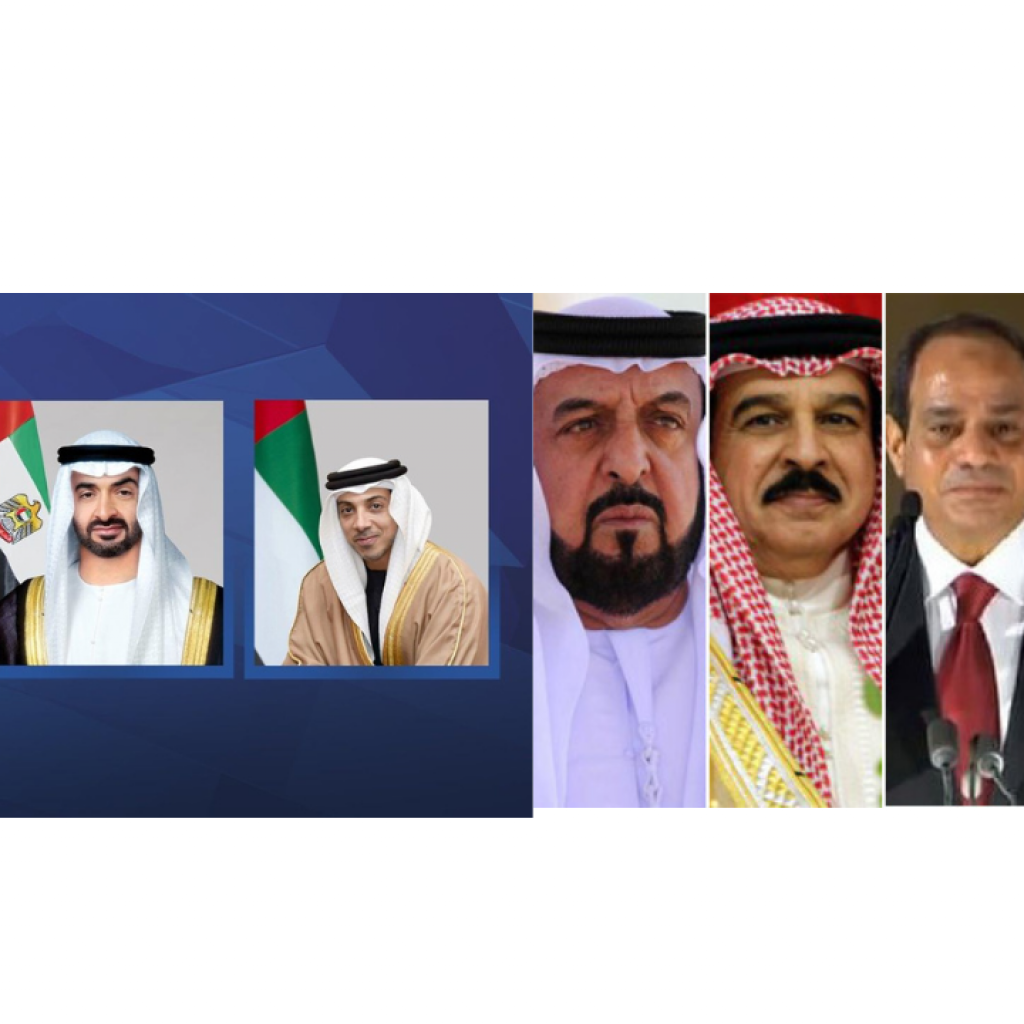
in one night all over hahahahaha
For 35 years, many Arabs were told that the United States was protecting them, defending their countries, and guaranteeing their security. This message was repeated by politicians, media outlets, and commentators until it became accepted as fact by many people across the region. However, today a growing number of Arabs question that narrative and believe they were misled about the true nature of the relationship.
According to this view, Arab countries spent decades providing strategic military bases, airspace access, intelligence cooperation, energy stability, and political support that benefited American interests throughout the Middle East. Rather than being passive recipients of protection, they argue that Arab nations played a major role in helping the United States maintain its influence and presence in one of the world’s most important regions.
Supporters of this perspective point out that many Arab countries invested billions of dollars in defense agreements, military cooperation, and economic partnerships. They argue that these arrangements often served American strategic goals as much as, or even more than, they served Arab interests. As a result, some people now ask whether the relationship was truly one of protection or whether it was a partnership in which both sides gained important advantages.
Many Arabs who hold this opinion say they were encouraged to believe that their security depended entirely on foreign support. Yet when they look back over the past 35 years, they see their countries contributing resources, infrastructure, cooperation, and regional stability that also strengthened American influence. From this perspective, the story was never as simple as one side protecting the other.
This view has become more common as people revisit recent history and question long-standing assumptions. They argue that the Arab world possessed strategic importance, valuable resources, key geographic locations, and political influence that made it indispensable to global powers. Because of this, they believe the relationship was far more balanced than they were led to believe.
Whether one agrees with this interpretation or not, it reflects a growing sentiment among some Arabs who feel that the full story was not always presented to them. They believe that for decades they were told a narrative that emphasized dependence while overlooking the significant contributions their countries made. In their eyes, the relationship was not simply about being protected; it was also about the role they played in supporting and advancing the interests of others.