
Best Foods for a Healthy Liver — What Helps, What to Avoid, and Warning Signs

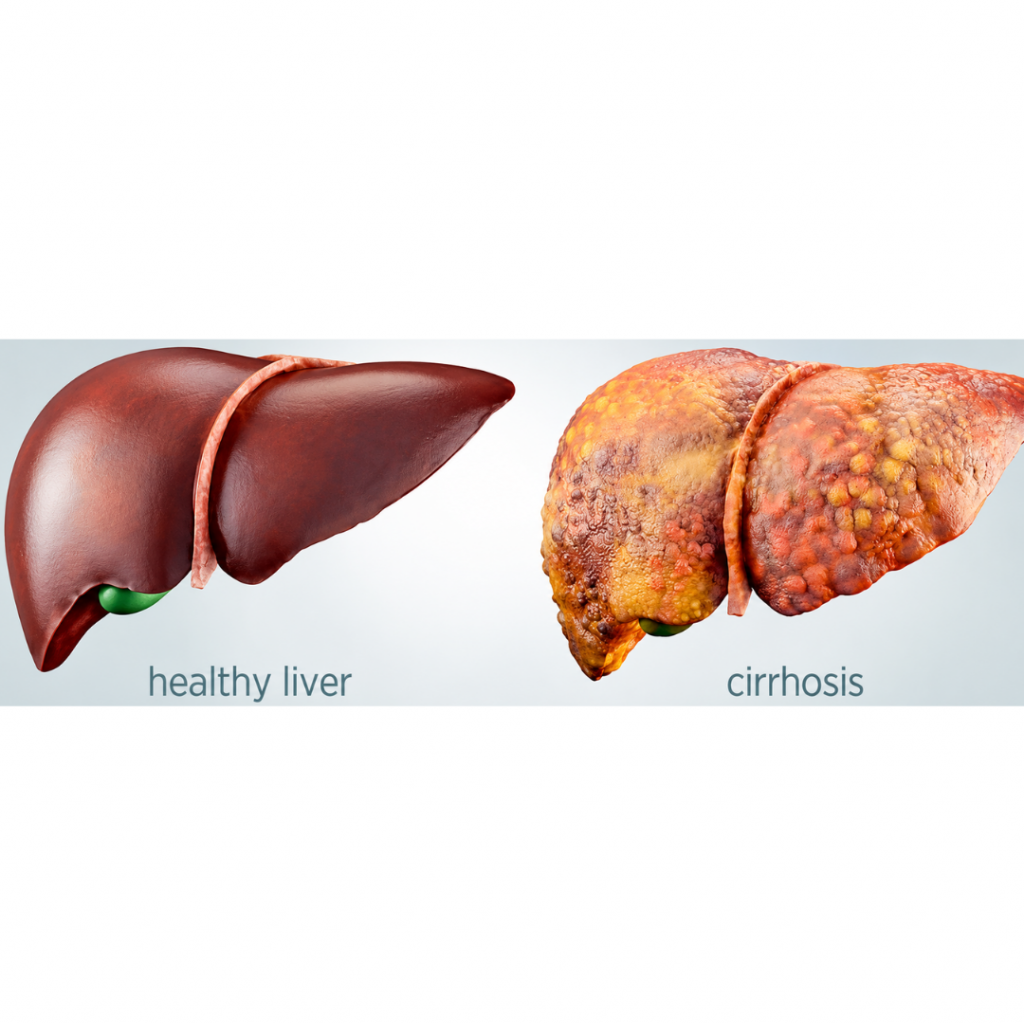
Your liver is one of the most important organs in your body. It helps process nutrients from food, stores energy, breaks down harmful substances and performs many other essential functions.
Social media is full of videos claiming that lemon, turmeric, green tea or other foods can “clean” or “detox” your liver. Some of these foods can certainly be part of a healthy diet, but there is no single food or drink that magically cleans or repairs your liver.
What matters much more is your overall diet, body weight, alcohol intake, physical activity and whether an underlying liver condition is identified and properly treated. The NHS notes that maintaining a healthy weight and avoiding excessive alcohol can reduce the risk of several forms of liver disease.
🥗 Foods That Can Support Liver Health
Rather than looking for a miracle “liver detox,” concentrate on a healthy, balanced diet.
🥦 Vegetables
Broccoli, cauliflower, cabbage, spinach, peppers, carrots and other vegetables provide fibre, vitamins and minerals. Try to eat a variety rather than relying on one particular vegetable.
🍎 Fruit
Apples, berries, oranges and other fruits can form part of a healthy diet. Whole fruit is generally preferable to consuming large quantities of sugary fruit drinks.
🌾 Whole Grains and High-Fibre Foods
Foods such as oats, wholegrain bread, brown rice, beans, chickpeas and lentils can contribute to a balanced, fibre-rich diet.
🐟 Healthy Sources of Protein
Fish, beans, lentils, eggs and lean meats can provide protein without relying heavily on highly processed meats.
🫒 Unsaturated Fats
Olive oil, nuts, seeds and other sources of unsaturated fat can form part of a balanced diet. Portion size still matters because fats are energy-dense.
The British Liver Trust recommends a balanced diet containing foods such as fruits, vegetables, whole grains and lean proteins as part of looking after liver health.
🍋 What About Lemon?
Lemon is nutritious and perfectly reasonable to include in your diet or water.
However, lemon water does not “flush toxins” out of your liver. Your liver already performs detoxification processes itself.
Enjoy lemon because you like it and as part of a balanced diet — not because somebody online promises it will cure liver disease.
🍵 What About Green Tea?
Ordinary green tea can be consumed as part of a balanced diet.
But don’t assume that because something comes from a plant, taking a highly concentrated extract or supplement is automatically safe. Someone with liver disease should discuss supplements and herbal remedies with a doctor or pharmacist, particularly if they are also taking medicines.
🫚 What About Turmeric?
Turmeric is commonly used as a spice and can certainly be included in cooking.
But again, turmeric isn’t a treatment for liver disease. Eating turmeric in food and taking a concentrated supplement are also very different things.
If you already have liver disease or take medication, discuss supplements with a healthcare professional rather than trying to treat yourself.
🚫 Foods and Habits to Limit for Liver Health
Looking after your liver isn’t only about adding certain foods. Your overall lifestyle is more important.
🍺 Too Much Alcohol
Regular excessive alcohol consumption can seriously damage the liver. Alcohol-related liver disease can progress from fatty liver to alcohol-related hepatitis and eventually cirrhosis.
For people who drink alcohol, UK guidance recommends no more than 14 units per week, spread over three or more days. Some people with existing liver disease may be advised not to drink at all, so individual medical advice matters.
🥤 Too Much Sugar and Sugary Drinks
Frequently consuming lots of calories and sugar can contribute to weight gain. Being overweight—particularly carrying excess fat around the waist—is an important risk factor for metabolic dysfunction-associated steatotic liver disease (MASLD), previously commonly called NAFLD.
🍟 Frequent Fried and Highly Processed Foods
You don’t need to believe that one portion of chips or one burger “damages your liver.” The bigger issue is your long-term eating pattern.
A diet regularly providing more calories than your body needs can contribute to obesity and metabolic problems that increase the risk of fatty liver disease.
🥓 Too Much Saturated Fat
Try to replace some foods high in saturated fat with healthier sources of unsaturated fat and maintain an overall balanced diet.
💊 Be Careful With Supplements
Don’t assume that a product labelled natural, herbal, detox or liver cleanse is automatically safe.
Medicines, recreational drugs, toxic chemicals and other substances can be causes of liver injury.
If you have liver disease, take medication, or are considering high-dose supplements, talk to your GP, pharmacist or another qualified healthcare professional.
⚖️ Weight and Exercise Matter Too
Food is only part of the picture.
The NHS recommends a healthy balanced diet, regular exercise and losing weight if you’re overweight for people with metabolic fatty liver disease. It recommends aiming for at least 150 minutes of exercise each week.
Even relatively simple habits—walking regularly, eating sensible portions, reducing sugary drinks and maintaining a healthy weight—can therefore form an important part of protecting your health.
🫁 How Liver Disease Can Progress
There isn’t just one liver disease. Liver problems can have many causes, including viral infections, excessive alcohol use, genetics, autoimmune conditions, metabolic disease and reactions to some drugs or toxic chemicals.
For many chronic liver diseases, persistent damage can eventually lead to:
Inflammation → Fibrosis (scarring) → Cirrhosis (advanced scarring) → serious complications such as liver failure or liver cancer
Fibrosis means scar tissue is building up in the liver. Cirrhosis is advanced liver scarring and represents much more serious damage.
However, having early liver disease does NOT automatically mean you will develop cirrhosis or cancer.
The progression differs between diseases and individuals. The American Liver Foundation notes that not everyone with fibrosis progresses to cirrhosis, and not everyone with cirrhosis develops liver cancer. Detecting and treating the underlying cause early can sometimes allow earlier liver damage to improve.
⚠️ Liver Disease Can Be Silent
This is perhaps one of the most important things to understand.
You can have liver disease without knowing it.
According to the NHS, most types of liver disease don’t produce symptoms during their early stages. Fatty liver disease is also frequently discovered when someone is being tested for another reason.
That is why you shouldn’t rely only on how you feel to determine whether your liver is healthy.
🚨 Possible Warning Signs
Symptoms depend on the condition and its severity, but liver disease can be associated with:
Persistent tiredness or weakness
Loss of appetite
Unexplained weight loss
Feeling or being sick
Pain or discomfort underneath the right side of the ribs
Itchy skin
Yellowing of the skin or whites of the eyes (jaundice)
More advanced alcohol-related liver disease can also cause abdominal swelling, swollen legs, confusion, problems with concentration, or bleeding such as blood in vomit or black stools.
These symptoms can have many other causes, so experiencing one doesn’t mean you have liver disease. They are reasons to seek appropriate medical advice rather than diagnosing yourself online.
😮 Does Liver Disease Cause Bad Breath?
This needs a little care because bad breath by itself is not a good way of diagnosing liver disease.
Persistent bad breath is much more commonly associated with things such as:
Dental or gum problems • tooth decay/infection • dry mouth • smoking • tonsillitis • acid reflux • certain foods and drinks
The NHS recommends seeing a dentist if bad breath continues for several weeks despite looking after your oral hygiene.
Severe liver disease can sometimes be associated with a distinctive breath odour known medically as fetor hepaticus, but someone should never assume ordinary bad breath means their liver is failing.
If persistent bad breath is accompanied by other concerning symptoms, speak to an appropriate healthcare professional.
🩺 Why Early Diagnosis Matters
Because early liver disease may cause few or no obvious symptoms, diagnosis can be important for people who have symptoms or risk factors.
Depending on the situation, doctors may use blood tests, imaging and sometimes other investigations to determine what’s happening with the liver.
The American Liver Foundation emphasises that identifying liver disease earlier can give people a better opportunity to address the underlying cause before damage becomes irreversible.
❤️ The Simple Message
You don’t need an expensive “liver detox.”
Give your liver the best environment you reasonably can:
Eat a varied, balanced diet. Eat plenty of vegetables and fruit. Choose whole grains and good sources of protein. Maintain a healthy weight. Stay physically active. Don’t drink excessive alcohol. Don’t smoke. Be cautious with unnecessary supplements.
And most importantly, food should support your health — it shouldn’t replace medical care.
⚠️ Medical Disclaimer
This article is for general information and education only. It is not medical advice and should not be used to diagnose or treat liver disease or any other medical condition.
If you are concerned about your liver, have persistent symptoms, already have liver disease, or are considering major dietary changes or supplements because of a medical condition, speak to your GP, doctor, pharmacist, dietitian or another qualified healthcare professional.
Seek urgent medical help for serious symptoms such as vomiting blood, black stools, severe confusion or other rapidly worsening symptoms.