
why waking up early and spending time in nature is so powerful

There is something deeply powerful about waking up in the morning and stepping outside into nature before the noise of the world begins. Before social media, before messages, before television, before work problems and before everyone starts demanding your attention, there is a small window of time when the world feels quiet. The air is cooler, the streets are calmer, birds are beginning to sing, and your mind has not yet been filled with hundreds of other people’s thoughts.
Starting your morning in nature can be one of the simplest habits for creating a healthier and more peaceful life.
When you wake up, your brain does not need to be immediately attacked with information. Yet this is exactly what many people do. Their eyes open and within minutes they reach for their phone. TikTok, Facebook, YouTube, Instagram, news, emails and messages begin pouring information into the mind. One short video becomes another, then another. Happiness, anger, tragedy, comedy, arguments, advertisements and bad news can all appear within a few minutes.
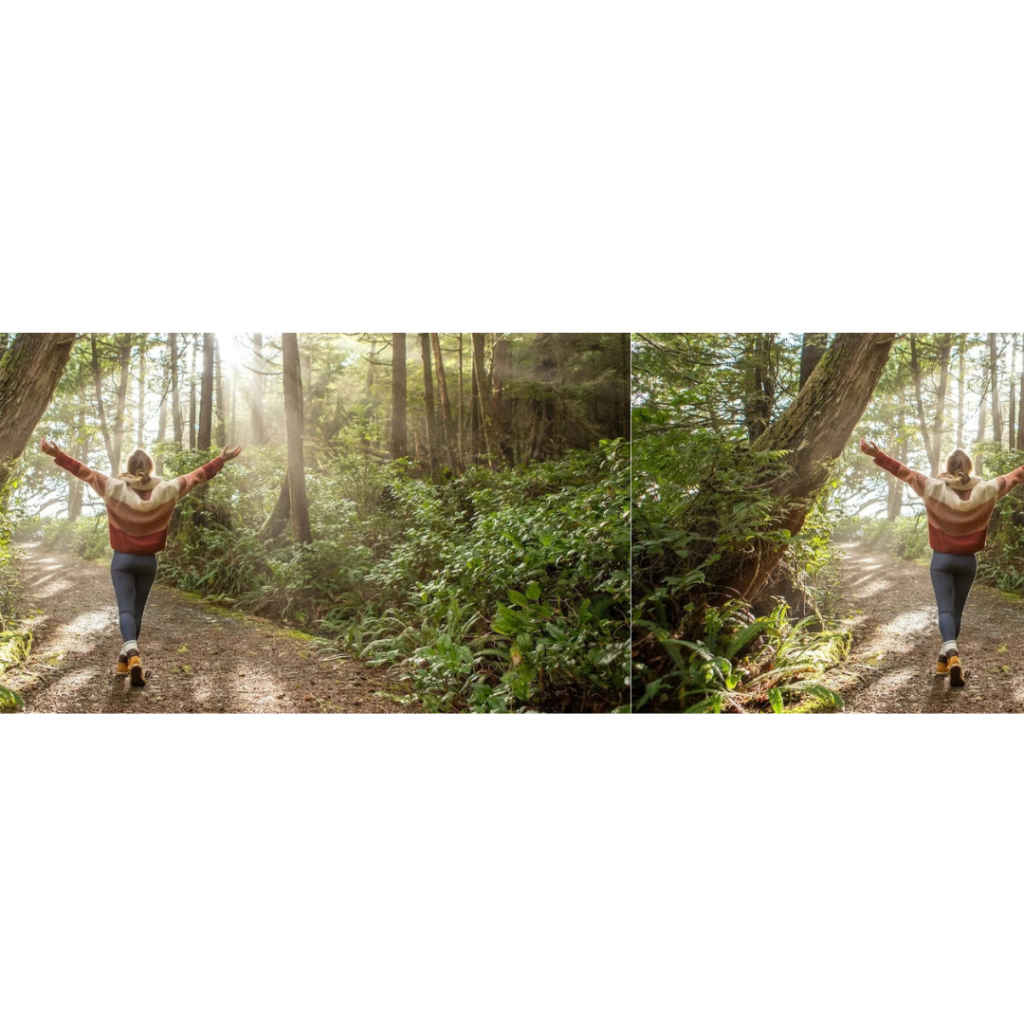
Instead, imagine waking up, drinking some water, getting dressed and walking outside.
No headphones. No endless scrolling. Just you, the morning air and the world around you.
Morning daylight is especially important because light is one of the strongest signals controlling your body’s internal clock, known as the circadian rhythm. Exposure to natural light in the morning helps tell your brain that daytime has begun. This supports the natural timing of alertness during the day and sleepiness later at night.
And you do not need some perfect mountain, forest or beach.
A local park, countryside path, garden, field, river, woodland or even a quiet street with trees can give you an opportunity to experience daylight, fresh air, movement and a break from screens.
Walking makes the experience even better.
Your body was made to move. A morning walk gets your muscles working, increases your physical activity and gives you time away from sitting. Regular walking can contribute to cardiovascular health, fitness and maintaining a healthy body weight. You do not necessarily need an extreme workout every morning. Sometimes something as simple as a brisk walk is an excellent way to begin the day.
But the benefits are not only physical.
Nature can give your mind space.
Think about how much information the modern person consumes. Notifications, videos, advertisements, opinions, arguments, headlines and entertainment compete constantly for attention. Even when your body is sitting still, your mind can be jumping from one subject to another every few seconds.
Nature is different.
A tree does not demand that you click on it.
A bird does not send you a notification.
The sunrise does not ask you to subscribe.
The wind does not care how many followers you have.
When you spend time outside, you can simply observe. Look at the sky. Notice the trees moving. Listen to birds. Feel the temperature of the air. Watch the clouds. Walk and allow your thoughts to settle.
This can also become valuable thinking time.
Instead of letting an algorithm decide what enters your mind first thing in the morning, you can decide what deserves your attention.
Ask yourself:
What do I need to accomplish today?
What problem have I been avoiding?
What can I improve?
What am I grateful for?
What am I wasting time on?
What kind of person am I becoming?
Some of your clearest ideas may come when you are walking without constantly looking at a screen. Carry a small notebook or use your phone only when necessary to record an idea. A good thought can appear unexpectedly.
Morning time in nature can also be combined with learning.
You might walk for twenty or thirty minutes, return home, eat a healthy breakfast and then spend time reading, writing or studying. Instead of beginning your day as a consumer of random information, you begin it deliberately.
That difference matters.
Reading a book requires sustained attention. Writing requires you to organize your thoughts. Studying challenges the brain. Teaching what you have learned forces you to understand it more deeply. Walking gives your body movement. Nature gives your mind a quieter environment.
Put these habits together and you have a very different morning from someone who wakes up and spends the first hour scrolling through short videos.
There is also something beautiful about watching the world wake up.
If you regularly go outside early, you begin noticing things you normally miss. The changing seasons become obvious. You notice when mornings become colder. You see leaves changing colour. You hear different birds. You watch plants grow and flowers appear. You become more connected with the real environment around you instead of experiencing most of the world through a screen.
And there is another benefit: perspective.
Many of our problems feel enormous when we continuously think about them indoors. Go outside and look at a huge sky, an old tree or a distant landscape, and sometimes your problems begin to feel more manageable. The problem has not magically disappeared, but your mental relationship with it can change.
Nature can remind you that life is bigger than today’s argument, today’s notification or today’s bad mood.
You also do not need to turn the morning into another stressful competition.
You do not have to wake up at 4:00 a.m. because somebody on the internet told you successful people wake up at 4:00. Getting enough sleep is more important than forcing yourself out of bed after sleeping only four or five hours.
Wake at a time that allows you to get sufficient sleep and build a routine you can actually maintain.
Even twenty or thirty minutes outside can be worthwhile.
Leave the phone in your pocket. Walk. Breathe normally. Look around you. Think. Pray if you are religious. Reflect on your life. Plan your day. Be grateful for another morning.
If you have more time, stay longer.
There is a major difference between waking up and immediately allowing the world to enter your mind and waking up and choosing how your day begins.
Your morning can belong to everyone else—or it can belong to you.
Before the phone starts ringing, before work begins, before the traffic gets heavy and before the internet starts telling you what to think about, step outside.
See the daylight.
Move your body.
Listen to nature.
Think about your future.
Plan your day.
And appreciate that you have been given another morning.
You do not need expensive equipment. You do not need a gym membership. You do not need a complicated programme. Sometimes one of the healthiest ways to start changing your life is incredibly simple:
Wake up.
Put your shoes on.
Open the door.
And walk into the morning.